What Your Electric Bill Knows About Your Air Conditioner Before You Do
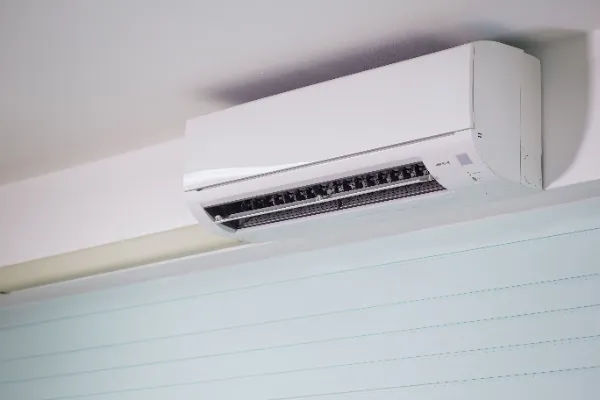
An electric bill arrives every month looking fairly ordinary, just a number reflecting however much energy got used since the last billing cycle. Most people glance at it, note whether it seems roughly normal, and move on without much additional thought at all.
That bill, though, quietly records something far more specific than most homeowners realize, acting almost like a detective that’s been tracking exactly how hard an AC system has been working, even when nothing about daily comfort has felt noticeably different.
Rising energy use, especially when it doesn’t match obvious changes in weather or habits, can reveal a developing problem well before anyone actually notices anything wrong simply by standing in a room and judging how comfortable it currently feels.
Efficiency Problems Can Hide Behind a Comfortable Thermostat
A struggling AC system doesn’t always announce itself through obvious discomfort. It can maintain the exact target temperature on the thermostat while running considerably longer or harder than it used to, quietly consuming more energy to achieve the same familiar result.
That gap between comfort and effort matters enormously, since most homeowners judge system health purely by whether the house feels right. Reliable AC Repair Arvada, CO technicians frequently encounter systems working harder behind the scenes long before comfort actually suffers visibly.
Catching that increased effort early, through energy use rather than waiting for noticeable discomfort, often reveals problems considerably sooner than homeowners would otherwise discover them on their own, simply by paying attention to how a room happens to feel.
Compare the Pattern Not Just the Number
A single high bill doesn’t necessarily mean trouble, since weather fluctuations, rate changes, and shifts in household usage can all drive costs upward temporarily without indicating any underlying equipment problem whatsoever developing somewhere within the system itself.
What matters more is the pattern over time. Comparing similar months across different years, accounting for comparable weather conditions, reveals whether energy use is genuinely climbing beyond what normal variation would reasonably explain on its own without any deeper cause.
That broader comparison filters out noise from temporary fluctuations, isolating a trend that’s actually meaningful. A single unusual bill might mean nothing, but a consistent upward pattern across similar conditions tells a considerably more reliable and informative story.
Long Run Times Have a Story to Tell
When a system runs longer than it used to for comparable conditions, something is usually interfering with its efficiency. Dirty filters restrict airflow, forcing the unit to work harder just to maintain the same output it used to achieve with considerably less effort.
Aging components lose efficiency gradually too, drawing more power to accomplish what used to require less energy entirely. Maintenance issues that go unaddressed compound this further, creating a slow, steady decline that shows up clearly in rising energy consumption over time.
Longer run times aren’t random, they’re the system’s way of compensating for something that’s making its job harder than it used to be. Paying attention to that pattern often reveals the underlying cause well before comfort noticeably declines.
Eventually Comfort May Start Catching Up With the Bill
Energy use typically rises before comfort actually suffers, since a struggling system can usually still achieve its target temperature for a while longer, just at a higher cost, before efficiency losses eventually become severe enough to affect actual comfort directly.
Once that threshold gets crossed, uneven temperatures, longer recovery times after thermostat adjustments, or rooms that simply never quite reach their target temperature start becoming noticeable. By that point, the underlying problem has usually been developing for a while already.
That progression from rising bills to declining comfort follows a fairly predictable pattern. Catching it during the energy phase, before comfort actually suffers, tends to mean a simpler, less disruptive fix than waiting until the problem becomes impossible to ignore.
Conclusion
Changing energy consumption can reveal a developing HVAC problem well before comfort noticeably suffers, giving attentive homeowners a meaningful head start on addressing an issue before it actually affects how a house feels on an ordinary, everyday basis.
That electric bill, often dismissed as just another routine monthly expense, actually holds real information about how hard a system has been working behind the scenes, information that’s considerably more useful than simply waiting for obvious discomfort to develop.
Paying attention to that pattern, rather than only reacting once a room feels uncomfortable, tends to catch problems earlier and keep both comfort and energy costs considerably more manageable over the long run.