The Role of Power Distribution Systems in Modern Industry
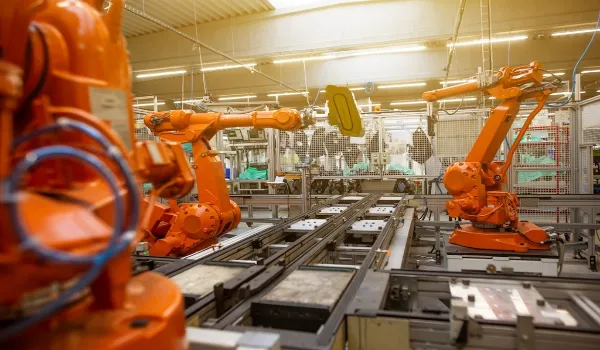
Reliable power distribution is essential for almost every industrial operation. Manufacturing plants, energy facilities, commercial buildings, and infrastructure projects all depend on a properly designed distribution system to ensure a stable power supply.
- What Is a Power Distribution System?
- Key Components and Functions
- Control, Monitoring, and Optimization
- Industrial and Energy Applications
As industrial processes become more automated, the importance of efficient electrical infrastructure continues to grow.
What Is a Power Distribution System?
A power distribution system is responsible for delivering electricity from the source to the end user. In industrial environments, the system includes switchgear, protection devices, cables, and other electrical components that manage the flow of power.
The primary purpose of a distribution system is to safely transfer energy through distribution networks to machines, buildings, and individual consumers. In this system, various devices are connected to a common network, allowing energy to be distributed according to operational requirements. More information at https://www.electrispower.com/services/assembly-of-control-cabinets.
Key Components and Functions
Modern power distribution systems consist of multiple interconnected systems designed to improve safety and performance. Commonly used elements include switchboards, control cabinets, protection equipment, and monitoring devices.
Their main function is to:
- distribute electricity,
- protect connected equipment,
- support system monitoring,
- maintain operational continuity,
- improve overall reliability.
Many installations also include advanced control and power distribution systems that combine energy management with automation features.
Control, Monitoring, and Optimization
Today, the use of digital technologies allows operators to manage electrical infrastructure more effectively. Modern solutions often include a human machine interface, enabling operators to monitor performance and react quickly to changing conditions.
Data collected from the distribution system can support optimization, energy analysis, and maintenance planning. Regular measurement of electrical parameters helps identify potential issues before they affect operations.
As industrial demand increases, companies seek more effective ways to improve system reliability while reducing operating costs.
Industrial and Energy Applications
Modern distribution solutions are widely used in manufacturing, energy production, and infrastructure projects. They support critical applications such as motor control, process automation, lighting, and backup power systems.
The ongoing development of renewable energy has also increased interest in distributed generation. In these environments, multiple energy sources are connected to the same network, creating new challenges for energy management and system design.
Depending on project requirements, different types of switchgear and protection solutions may be selected. Systems such as TN-S configurations are commonly applied to improve safety and operational performance.