Every Finished Building Begins as Hundreds of Decisions Nobody Will Ever See
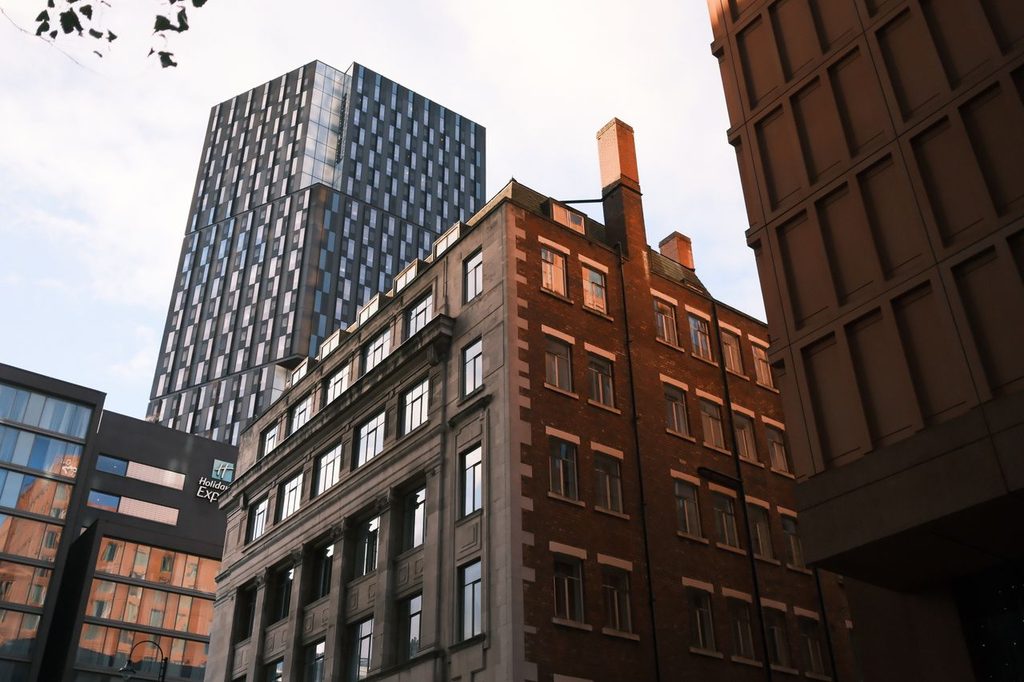
Walk past a finished building and it seems like it was always meant to be there. The walls line up, and the doors swing the right way. Nothing about it hints at the arguments, sketches, and second thoughts that came first.
Behind that calm surface sits a mountain of choices about structure, layout, materials, utilities, sequencing, and budget. Someone decided where the beams go, which wall holds the pipes, and what arrives on site before what. Each answer closed off a few others.
Buildings feel inevitable only because the decisions were made so early and so quietly. Nobody applauds a joist hanger or a well-placed shutoff valve. That’s the funny thing about good planning, because the better it goes, the less anyone remembers it.
Construction Starts Long Before the Site Looks Busy
The site looks sleepy for a while, and that’s usually a good sign. Before a single truck rolls in, drawings get studied, questions get asked, and somebody notices that the beam on page twelve collides with the duct on page forty.
Hiring construction contractors Denver CO owners can trust means hiring people who spend this quiet stretch turning flat drawings into steps a crew can actually follow. A plan doesn’t say who arrives first or where the delivery truck can possibly park.
Design interpretation matters here too. Drawings show intent, but they can’t answer every question, like where two systems want the same space. Catching those collisions at a desk costs a conversation. Catching them in the field costs a weekend and a lot of coffee.
One Decision Usually Affects Five Others
Building is a bit like pulling a thread on a sweater. Move one wall by a foot and the structure needs a different beam, the ducts need a new route, and the electrician has fresh questions. Nothing in a building lives alone.
A taller ceiling changes the framing, the heating load, the window sizes, and the paint order. A new fixture location shifts the plumbing, the wiring, and the cabinet layout. Each choice sends ripples outward, and they tend to land on the budget.
That’s why late changes get pricey. Early on, adjusting a decision is mostly erasing. Later, it’s demolition. Smart teams ask the awkward questions up front, while the answer still fits on a sheet of paper instead of a pile of lumber.
The Hidden Work Often Matters Most
Some of the most important work in any building never gets seen. Foundations sit below grade, framing hides behind drywall, and waterproofing disappears under finishes. It’s the building equivalent of a great pair of socks, doing its job without ever making the photo.
Utilities follow the same pattern. Pipes, wires, and ducts get tucked into walls and floors, then covered, painted, and forgotten. If something’s off, the fix means opening things up again, and nobody enjoys cutting into a freshly finished wall to hunt for a mistake.
So the buried stuff gets extra care, extra checking, and a lot of photographs. A crooked tile is annoying, but a leaky foundation wall is a long, damp saga. Surface beauty only lasts when what’s underneath is actually right and stays that way.
Coordination Is What Turns Trades Into a Building
A pile of skilled trades isn’t a building yet. The framers, plumbers, electricians, and finishers each do great work, but a building appears only when that work happens in order. Think of it like an orchestra, where timing is half the music.
Dependencies are everywhere. Insulation can’t go in before the wiring, drywall can’t close before inspections pass, and cabinets can’t arrive before the walls are ready. One late delivery can quietly nudge five crews, and nobody enjoys a game of scheduling dominoes.
Good communication keeps that from spiraling out of control. Clear handoffs, honest updates, and inspections treated as milestones keep everyone moving together. Coordination rarely gets credit, yet it’s the glue that makes a dozen separate crews feel like one steady, well-rehearsed team.
Conclusion
A finished building is a magician’s trick with good drywall. All you see is the smooth result, a space that seems to simply exist. Behind it sits a long chain of choices that had to be made, checked, and made again.
Planning, tradeoffs, hidden work, and careful timing all had to land in the right spot. Missing any one of them would show up eventually, usually at the least convenient moment. The best construction hides its effort so well that it looks almost effortless.
So the next time a building feels perfectly natural, give it a small nod. Somebody sweated over where that outlet goes and which wall carries the load. Easy-looking is the hardest look to build, and the effort deserves real appreciation, even if nobody ever sees it.