Top 5 Emerging Cybersecurity Threats Every Remote Team Must Watch in 2026
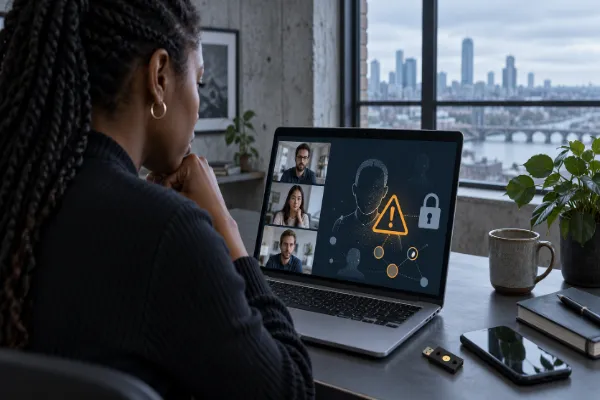
Remote and hybrid work is now routine across Türkiye, from fintech start-ups in Istanbul to design studios working from co-working spaces in Izmir. That flexibility is also an invitation for attackers, because every home router, personal phone and shared café Wi-Fi is part of the company’s attack surface.
Why Remote Teams Are Targeted
Security used to rely on a clear office perimeter. Today, employees log in from different networks, devices and time zones, making identity the new front line. A link labelled 1King casino in a group chat deserves the same address and sender checks as any other external link: familiar branding alone does not prove where it leads. Attackers exploit that familiarity through lookalike domains, fake cargo-tracking texts and counterfeit e-government messages in Turkish inboxes.
An interesting fact worth noting: according to a 2026 VikingCloud survey, 46% of small and mid-sized businesses reported facing AI-generated or advanced phishing in the past year, and 29% had experienced a deepfake scheme.
The Five Threats to Watch
Security researchers keep returning to the same short list:
- AI-powered phishing: messages that are personalised, grammatically perfect and written in fluent Turkish.
- Deepfake impersonation: cloned voices or video calls used to push urgent payments.
- Identity attacks: stolen credentials, MFA fatigue prompts and session or token theft.
- Shadow AI and agent hijacking: unapproved AI tools and automated agents with too much access.
- Ransomware through suppliers: attackers entering through a partner or software vendor.
Check Point reports that AI-related security incidents rose by about 67% in a single year, which shows how quickly this last group is growing.
Defence does not require a huge budget: phishing-resistant multi-factor authentication, a call-back rule for any payment request and regular device updates cover a large share of real-world risk.
What Turkish Teams Should Do Next
Companies should agree to a written verification routine for money transfers, keep a short list of approved AI tools and train staff to report suspicious messages quickly. Turkey’s national cyber incident response centre, USOM, publishes alerts and malicious-address notifications that security teams can follow. Under the personal data protection law (KVKK), data breaches must also be reported to the authority within 72 hours, so having an incident plan in place before something goes wrong is both a security and a compliance matter.