How On-Device Generative AI Is Transforming Mobile Photography in Late 2026
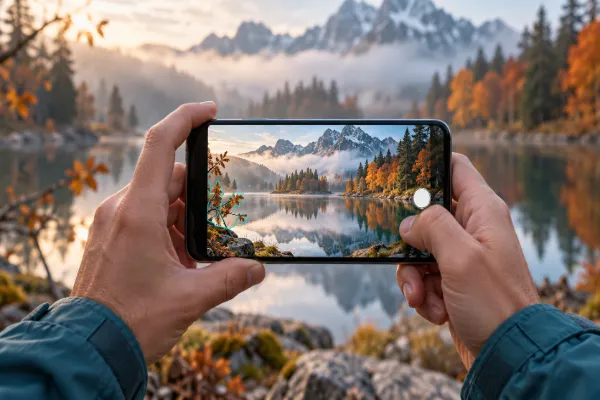
For years, smartphone cameras improved mainly through bigger sensors and sharper lenses. In late 2026, the most important changes are happening inside the processor, where generative AI models now run directly on the device instead of in the cloud.
From Computational Photography to On-Device Generation
Google’s Pixel 11 series, unveiled in August, is the clearest example. Its Tensor G6 chip runs the latest Gemini Nano model locally, and Google says on-device AI tasks run up to 3.5 times faster while using up to 3.5 times less energy. The headline camera feature, Magic Capture, records a short clip and analyses around 400 frames to pick perfectly timed 12-megapixel stills, even applying crop and unblur edits automatically. Camera Looks lets users choose a visual style at the moment of capture, and Instant Night Sight on the Pro models can process low-light shots up to 4.5 times faster than earlier generations. Beyond taking photos, the camera can also connect printed information with online content: if you spot Lüks Casino on a page, Circle to Search can help you look it up directly from the viewfinder without taking a photo first.
An interesting fact worth noting: Pixel 11 Pro models reach 120x Pro Zoom, with generative AI helping to fill in detail in heavily zoomed images, and Google itself labels some of these generative features as experimental.
What This Means for Everyday Photographers
The shift from cloud to device brings several practical benefits:
- Speed: results appear almost instantly instead of waiting for a server.
- Privacy: faces and personal data can be processed and stored on the phone.
- Offline use: features keep working without a signal, handy in remote locations.
- Lower energy use: more efficient chips preserve battery during long shooting days.
Apple is taking a different path with the iPhone 18 Pro, relying more on hardware, including three 48-megapixel cameras and a variable-aperture main lens, while adding a Reference Image feature aimed at helping viewers trust that a photograph is authentic.
For photographers in Turkey, the benefits are easy to picture: sunrise balloon flights over Cappadocia, evening ferries crossing the Bosphorus or a dimly lit Grand Bazaar all become easier to capture without carrying extra gear.
Where the Line Between Photo and Creation Blurs
As cameras start to fill in details they never actually recorded, the question of what counts as a real photograph becomes more important. Both Google and Apple are introducing labels and verification tools, but the final judgement still rests with photographers and their audiences. The best advice for late 2026 is simple: use AI to rescue the moments you might otherwise miss, and be transparent when a picture has been heavily generated rather than captured.