Why Do Historic Riverfront Districts Draw So Many Weekend Visitors
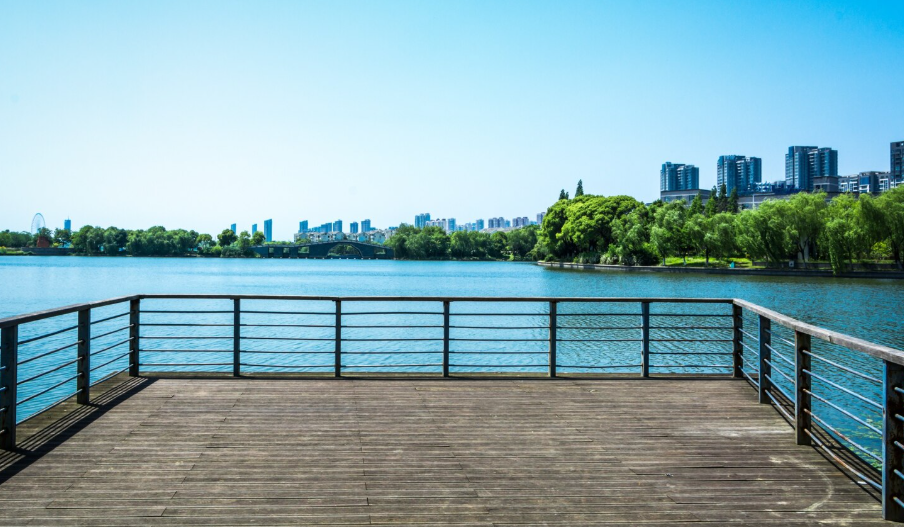
Riverfront districts age differently from the rest of a town. The water sets a pace that no shopping strip can match, and the buildings that survived along the bank tend to hold their old proportions. On a Saturday, the effect becomes obvious as people arrive on foot, slow down without meaning to, and start reading the place instead of rushing through it.
Part of the appeal is simply that these streets were built for wandering rather than commuting. Visitors treat a weekend the way distracted sports fans treat a lull between innings. A few might even compare platforms for betting on cricket using bitcoin during a coffee stop before the real business of the day resumes. The point of the trip is the brick, the balconies, and the slow turn of the river, not anything happening on a phone.
What Pulls People Back Toward the Water
The river is the reason the district exists, so it makes sense that it remains the anchor of every visit. Historic ports and landings were commercial hearts long before they became photogenic. That layered past gives a weekend crowd several distinct reasons to keep returning.
The Pull of Preserved Architecture
Restored facades carry information that a new building cannot fake. Ironwork, shutter hinges, and worn stone thresholds tell visitors how the district once worked. People who care about design or local history read these details slowly, and the reading itself becomes the entertainment.
The Draw of the Open Waterline
Few things reset a busy week like a wide view of moving water. A promenade gives families room to spread out, dog walkers a loop, and photographers a horizon that changes by the hour. The open sightline is also why riverfront festivals and markets keep choosing these spots.
The Comfort of a Walkable Grid
Older districts were laid out before cars dictated width, so blocks stay short and shaded. A visitor can cover a cafe, a bookshop, and a museum without moving a vehicle. That density of small stops is what turns a quick look into a full afternoon.
How Weekend Timing Shapes the Experience
The same street feels like two different places depending on when you arrive. Morning visitors chase quiet light and empty benches, while evening crowds want music, food stalls, and company. Knowing which mood you prefer saves a wasted trip.
Here is how the two windows tend to compare for a typical weekend outing:
- Early morning: Cooler air, easy parking, open cafes, and the best conditions for unhurried photos of the waterline.
- Late afternoon: Warmer social energy, live buskers, and longer restaurant queues that reward patience.
- The trade-off: Mornings favour calm and detail, evenings favour atmosphere and people watching.
If a visitor wants both, a short midday break away from the heat lets one trip cover the quiet start and the lively finish. That single decision often separates a rushed stop from a memorable day.
The Economics Behind the Foot Traffic
Weekend crowds are not an accident. Local councils, small business owners, and heritage groups invest steadily in these districts because the return shows up in every full cafe. Preservation is expensive, yet a busy riverfront tends to pay for its own upkeep.
Independent shops thrive here in a way they struggle to elsewhere. Rents may be higher, but the passing crowd is curious and unhurried, which suits craft sellers and family kitchens. Heritage tourism, in the sense used by cultural bodies, rewards places that keep their character rather than flatten it. For visitors, the practical result is a district that stays interesting because staying interesting is what keeps it alive.
Making a Riverfront Weekend Worth the Trip

The districts that hold their crowds do a few simple things well. They protect the view, keep the walking easy, and let small businesses set the tone instead of chains. A visitor who arrives with a loose plan and a willingness to slow down usually leaves already thinking about the next visit.
Treat the outing as unhurried time near old buildings and moving water, spend within a comfortable budget, and the place gives back far more than a checklist ever would. It remains a timeless escape, proving that some of the best journeys require no destination.