What determines the price of fleet management software: key factors
Fleet management software helps companies manage their fleet, plan routes, track fuel costs, monitor vehicle performance, and analyze driver performance. Such solutions are in demand in logistics, freight transport, trade, and other sectors where proprietary or leased vehicles are used. At the same time, fleet management software pricing can vary significantly, since it depends on several factors at once.
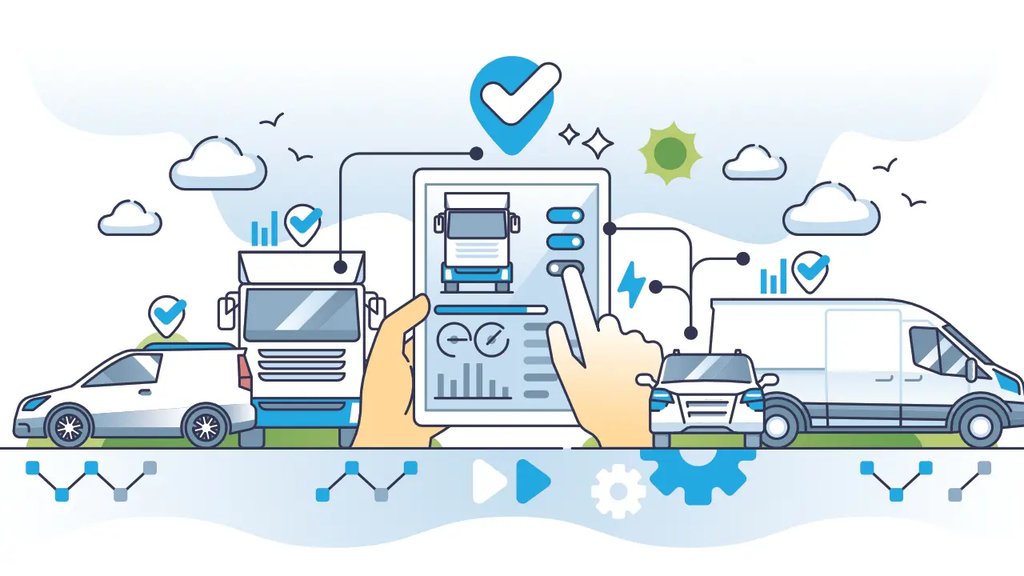
Factor one: software functionality
One of the primary factors influencing price is the set of features. Basic solutions allow for vehicle record-keeping, document storage, and maintenance scheduling. More sophisticated systems offer:
- real-time vehicle monitoring;
- automated route planning;
- fuel consumption monitoring;
- order management;
- analysis of transport efficiency.
The more processes that need to be automated, the higher the development or licensing cost is likely to be.
Second factor: number of vehicles and users
The cost of fleet management software often depends on the number of vehicles and the number of employees who will be using the system. Some providers charge a monthly fee per vehicle, while others offer pricing plans based on the number of users or the size of the company.
When choosing a solution, it is important to consider not only the current size of your fleet but also any plans for its expansion.
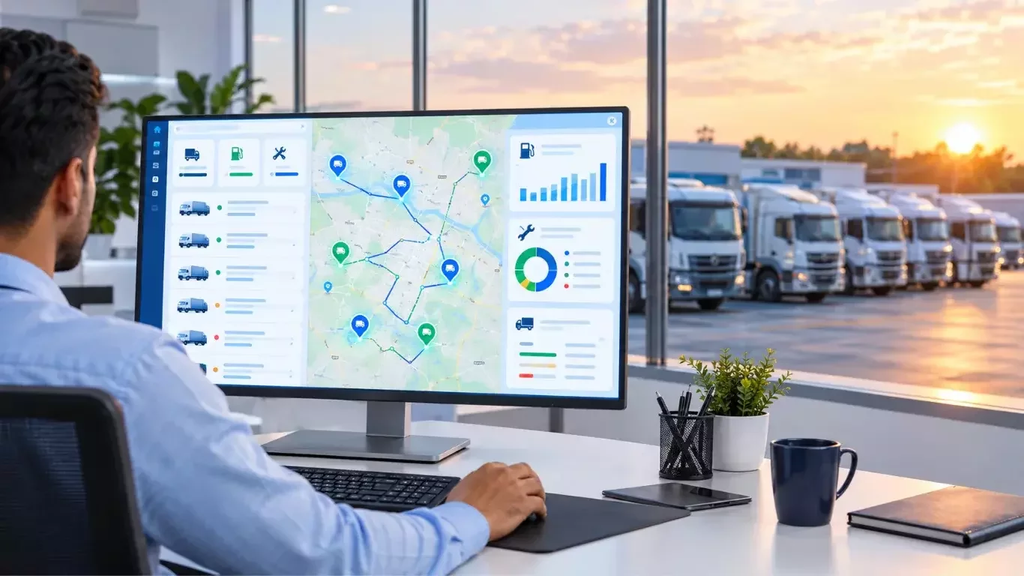
Factor three: custom development versus ready-made solutions
Ready-made software typically allows for a faster start and requires lower initial investment. Users simply select an appropriate pricing plan and gain access to the available features; however, customization options may be limited.
Custom-developed fleet management software is well-suited for companies with unique business processes. The cost of such a project depends on the complexity of the requirements, the number of modules, and the time required by the development team.
Factor four: integration with other systems
Logistics software rarely operates in isolation. Comprehensive automation may require data exchange with accounting systems, CRM and ERP platforms, warehouse management systems, GPS trackers, and electronic document management services.
Factor five: technical support and maintenance
When calculating costs, it is important to account for post-launch expenses. These may include software updates, bug fixes, user consultations, data backups, and server maintenance. With cloud-based solutions, some of these costs are typically covered by the subscription, whereas using one’s own infrastructure may require the company to independently fund hardware and technical support.
It is also advisable to review the terms for software updates and the costs of any additional services. This will help you assess not only the initial price but also the total cost of ownership over several years.
What to consider when choosing a fleet management program
Before purchasing, it’s important to determine the primary objectives the system should address: vehicle accounting, expense control, route monitoring, or comprehensive transportation management. You should then compare the functionality, pricing, integration capabilities, and support terms offered by various providers.
Do not base your decision solely on the lowest price. An inexpensive solution may lack essential features, while an overly complex system could lead to unnecessary spending on tools your company will never use. The ideal choice should align with the scale of your business, streamline daily operations, and help you keep costs under control.