Tuscany Travel & Regional Wine Tasting: A Practical Guide to Florence, Siena, and the Rolling Hills
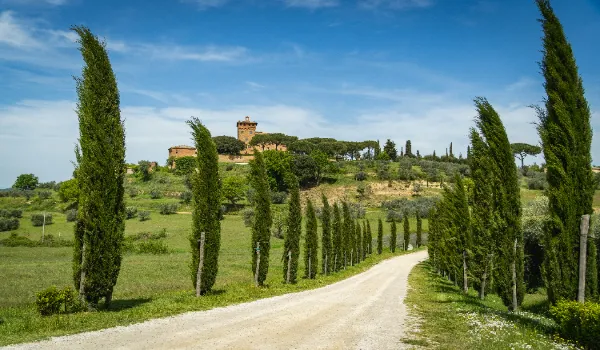
Tuscany remains one of Europe’s premier regions for heritage architecture, rolling agricultural landscapes, and world-class viticulture. Centered around Florence and stretching down through medieval hill towns like Siena, organizing a trip here requires balancing transport logistics, winery reservation schedules, and regional expenses.
1. Regional Wine Tasting Logistics & Costs
Tuscany is globally recognized for Sangiovese-based wines, notably Chianti Classico, Brunello di Montalcino, and Vino Nobile di Montepulciano.
- Winery Reservation Rules: Popular boutique and historic estates (especially in Chianti Classico and Montalcino) require advance booking. Famous names often mandate reservations weeks or months ahead, with structured small-group estate tours and tastings ranging from €120 to €180+ per person for full-day excursions.
- Enotecas (Wine Bars): If you prefer flexibility over structured estate tours, local wine bars (enotecas) in Florence and Siena offer regional glasses starting around €5 to €10.
- Estimate total activity expenses, wine tasting fees, and daily outlays using the Triprz cost estimating tool.
2. Historic Highlights: Florence and Siena
Florence (Firenze)
As the capital of the region, Florence serves as the primary arrival hub.
- Key Sights: The historic center features the massive Florence Cathedral (Duomo di Santa Maria del Fiore), the Uffizi Gallery, and the Ponte Vecchio.
- Logistics: The central core is entirely pedestrianized, making walking the most efficient way to navigate between monuments.
Siena
Located roughly an hour south of Florence, Siena preserves its distinct medieval layout and Gothic brick architecture.
- Key Sights: Piazza del Campo (the famous shell-shaped central piazza where the historic Palio horse race is run) and the Siena Cathedral.
- Day Tripping: Travelers frequently base themselves in Florence and utilize regional buses or small-group day excursions to reach Siena and the surrounding countryside without renting a car.
3. Transportation and Getting Around
- Public Transit vs. Car Rental: Regional trains connect Florence to Siena, Pisa, and Lucca reliably. However, exploring rural vineyards and off-the-beaten-path hill towns (like San Gimignano or Val d’Orcia) typically requires either a rental car or an organized regional day tour.
- ZTL Zones (Zona a Traffico Limitato): If you rent a car, be aware that historic Italian city centers enforce strict electronic camera gates (ZTL). Entering without a municipal permit results in heavy fines.
- Plan your overall route expenses and explore regional price profiles directly on the Triprz