The Biggest Threats Riders Face Before a Crash Happens
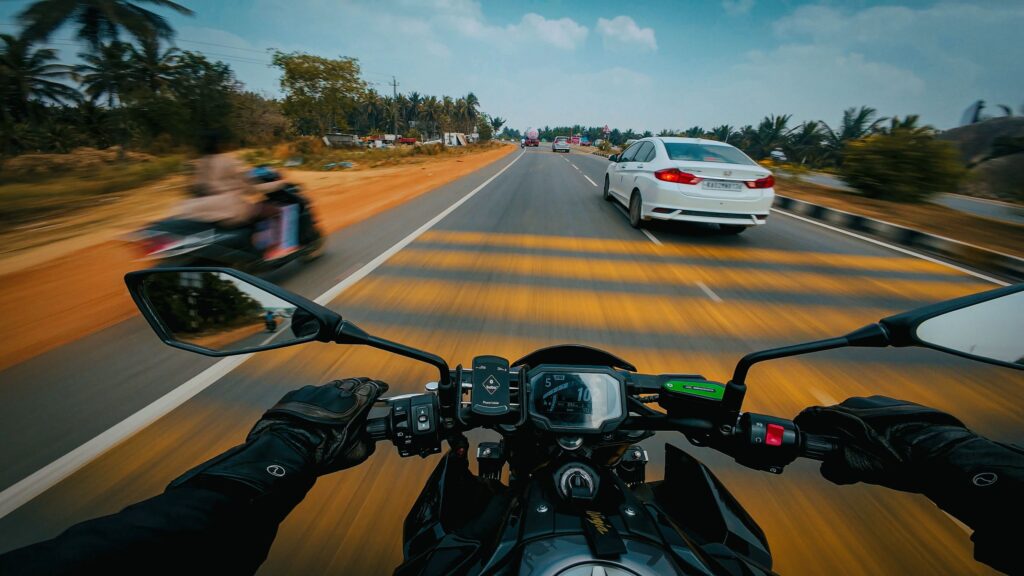
Motorcyclists experience the road differently than drivers of passenger vehicles. The same conditions that barely affect a car can create significant challenges for someone riding on two wheels. Because motorcycles have less stability, less protection, and a smaller profile, riders often face risks that other motorists may not even notice.
Many motorcycle accidents begin long before the actual collision occurs. Small hazards can gradually increase danger until a rider is forced to react quickly to avoid losing control or striking another vehicle. Recognizing these threats early is often one of the most effective ways to improve safety.
Understanding common motorcycle road hazards helps riders anticipate problems before they become emergencies. Awareness, preparation, and defensive riding strategies can often make the difference between a close call and a serious accident.
Small Road Defects Can Create Big Problems
Road conditions affect all vehicles, but motorcycles are particularly sensitive to surface irregularities. A pothole that causes a minor jolt in a car may significantly disrupt a motorcycle’s balance and stability.
Loose gravel, debris, uneven pavement, and road construction zones can also create dangerous situations. Riders may need to make sudden adjustments when encountering unexpected obstacles, increasing the risk of losing control.
Even painted road markings and metal surfaces can become slippery under certain conditions. Because motorcycles rely on a relatively small contact patch between the tires and the road, surface conditions often have a greater impact on rider safety.
Being Seen Is Not Always Guaranteed
Visibility remains one of the most persistent challenges riders face. Motorcycles occupy less visual space than larger vehicles, making them easier to overlook in traffic, especially during busy driving conditions.
Many motorcycle collisions occur when other drivers fail to notice a rider before changing lanes, turning across traffic, or entering an intersection. In these situations, the motorcyclist may have very little time to react.
Blind spots create additional concerns. Riders who remain alongside larger vehicles for extended periods may become difficult for other drivers to see, increasing the importance of strategic positioning and defensive riding habits.
Weather Affects Motorcycles Differently
Rain, wind, fog, and extreme temperatures influence every driver, but motorcycles often feel these effects more directly. Reduced traction can make braking and cornering more difficult, particularly on wet roads.
Strong crosswinds may affect motorcycle stability, especially on open highways and bridges. Riders often need to make continuous adjustments to maintain their intended path when wind conditions become challenging.
Poor visibility creates additional risks. Rain, fog, and low-light conditions can make it harder for riders to identify hazards while also making motorcycles less visible to surrounding traffic.
Defensive Riding Helps Reduce Risk
Because many hazards cannot be eliminated, experienced riders often focus on strategies that help reduce exposure to danger. Maintaining a safe following distance is one of the most important defensive riding techniques.
Creating space around the motorcycle provides additional time to identify and respond to hazards. Riders who scan ahead continuously are often better positioned to avoid debris, sudden stops, and unexpected roadway conditions.
Visibility can also be improved through thoughtful lane positioning and predictable riding behavior. Making it easier for other drivers to see the motorcycle can help reduce the likelihood of dangerous interactions.
Awareness Is A Rider’s Strongest Protection
Motorcycle safety involves much more than reacting to dangers after they appear. The most effective riders are often those who recognize potential hazards early and make adjustments before situations become critical.
Road conditions, visibility issues, weather changes, and driver behavior all contribute to the risks motorcyclists face. Understanding these challenges allows riders to remain alert and better prepared for unexpected developments.
While no rider can control every condition on the road, awareness significantly improves the ability to respond safely. By anticipating common hazards and maintaining defensive riding habits, motorcyclists can reduce risks and enjoy a safer experience every time they ride.