How Does NextPage Make Direct Mail Printing More Effective?
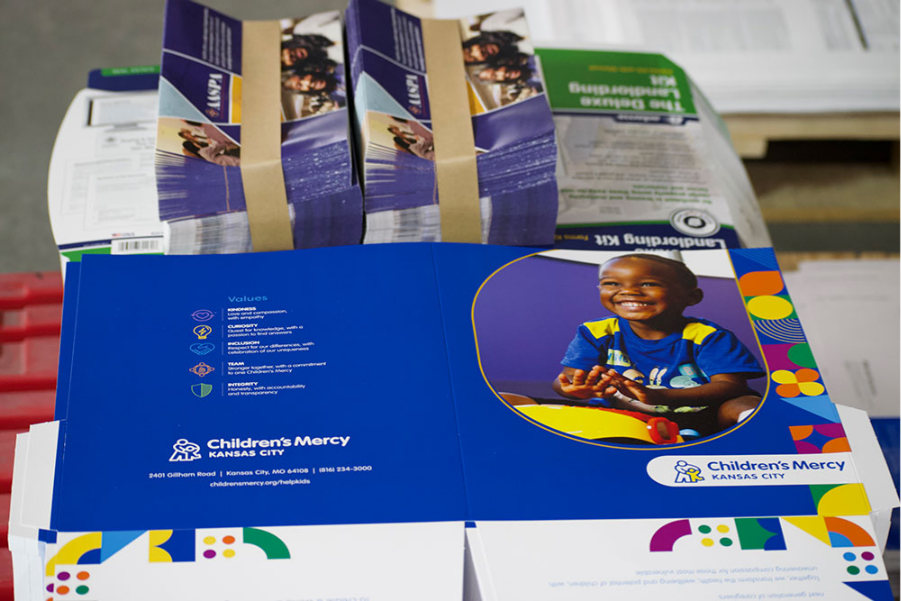
Direct mail can lose its impact when every recipient gets the same message, the audience is poorly chosen, or the printed piece arrives late. You may also deal with production errors, complex mailing steps, and disconnected print and digital campaigns that make it hard to see what worked. When these issues pile up, a campaign that should bring results can waste your time, money, and effort.
The right printing partner can make the process much easier by bringing personalization, data, creative formats, automation, and delivery together. NextPage uses these capabilities to help you create mail that feels relevant, looks professional, reaches people on time, and supports your marketing goals. From data and design to printing, mailing, fulfillment, and tracking, the process stays connected.
Here is how NextPage makes direct mail printing more effective for your business.
1. Personalize Mail Pieces to Create More Relevant Customer Experiences
Think about the mail you are most likely to notice. It is usually something that feels useful or relevant to you, not a message that could have been sent to anyone. NextPage uses variable data printing to change names, images, offers, and messages within the same campaign.
That means you can speak differently to new customers, returning customers, or people with different interests. With NextPage, personalized direct mail printing can be handled during production without creating a completely separate mailing for every group. You get the benefits of personalization while keeping the overall campaign consistent.
More relevant messages can also make your brand feel more thoughtful. When people quickly see why an offer matters to them, they may be more willing to keep reading. That can give your campaign a better chance of driving a response.
2. Use Data and Analytics to Improve Audience Selection
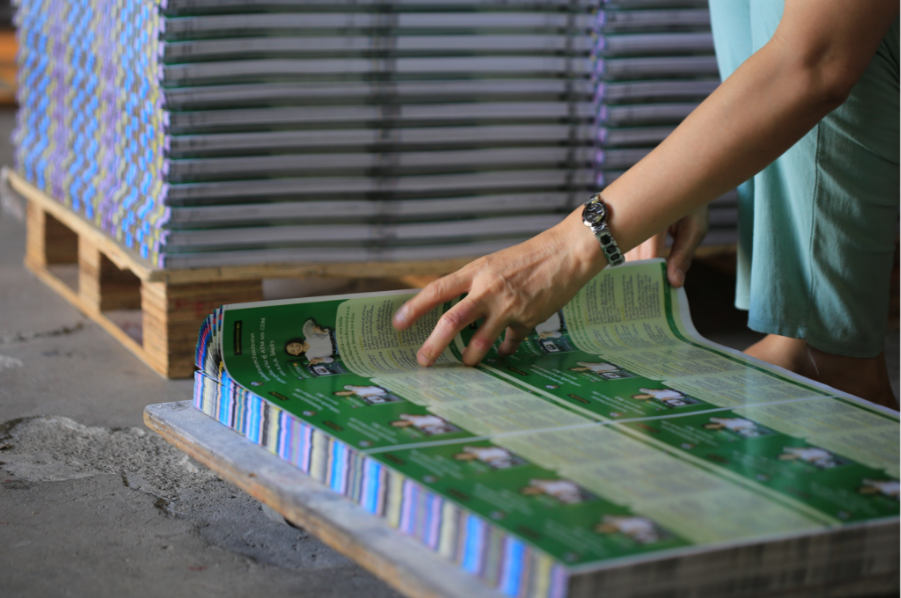
Getting your message in front of the right people is just as important as creating a good mail piece. NextPage uses data modeling, predictive analytics, and targeting tools to help you better understand who should receive your campaign. Instead of sending the same offer to everyone, you can make your mailing more focused.
For example, your audience can be grouped by customer traits, behavior, location, or likely interests. This can help you avoid spending money on people who are less likely to respond. Better targeting also gives your creative team a clearer idea of who they are speaking to.
Most importantly, good audience selection gives your direct mail a stronger purpose. You are not simply sending more pieces and hoping they work. You are making a smarter choice about who receives the message, which can help improve campaign value and response.
3. Combine Direct Mail with Digital Marketing Channels
Your customers do not interact with your brand through just one channel. They may see an ad, visit your website, open an email, and then receive a piece of mail. NextPage helps connect direct mail with digital strategies such as retargeting, IP targeting, and integrated marketing.
For instance, you could mail an offer with a QR code that takes someone to a landing page. Digital ads can then remind that person about the offer while your website provides more information. Using these channels together gives customers several ways to engage with your campaign.
This also makes direct mail part of a bigger marketing plan. Instead of treating print as a separate activity, you can use it to support your digital efforts. A connected campaign can create more touchpoints and give you more opportunities to move customers toward action.
4. Automate Direct Mail for Faster, More Consistent Campaigns
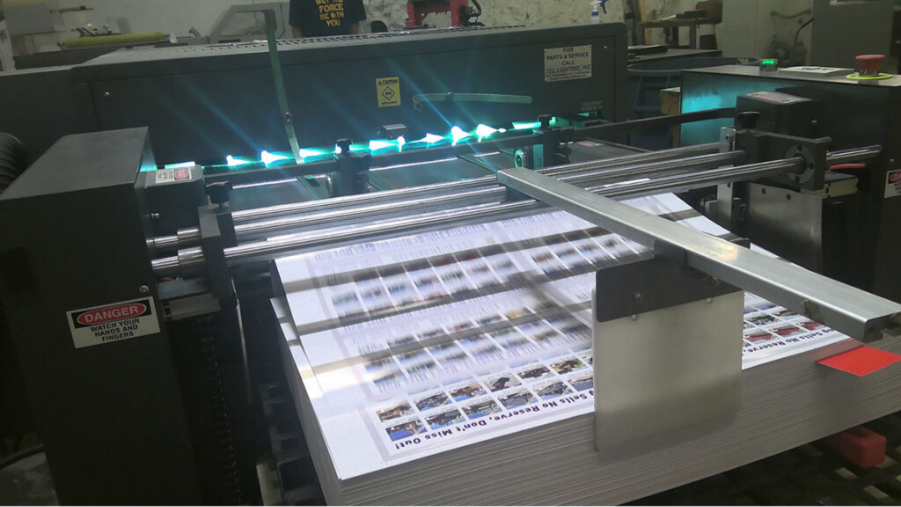
Sending the same type of campaign again and again can take a lot of manual work. NextPage connects customer data, triggers, templates, and production steps through direct mail automation. This means a mailing can be started by a customer action, date, milestone, or planned event.
For example, a new customer could automatically receive a welcome kit after signing up. A customer could also receive a reminder, loyalty message, or event invitation at the right time. Secure data can move through SFTP or web service APIs, helping approved information reach the production workflow.
The biggest benefit is consistency. Once your process is set up, you do not have to rebuild every campaign from scratch. You can save time, reduce manual steps, and keep customer communication moving when it matters most.
5. Offer Creative Formats That Help Mail Stand Out
A direct mail piece has to earn attention before someone reads it. A standard format may work for one campaign, but another message may need something more memorable. NextPage offers options such as postcards, self-mailers, folded pieces, dimensional mail, and custom inserts to help you match the format to your goal.
Dimensional mail can be especially useful when you want people to stop and take a closer look. Custom folds, pop-up designs, and unique shapes can turn a simple message into a more engaging experience. NextPage can support the printing, assembly, and fulfillment needed for these more complex pieces.
Still, creative design should always have a purpose. The best format makes your message easier to notice without making it harder to understand. When the format and message work together, your mail can create a stronger impression and stay in the recipient’s mind longer.
6. Manage Printing, Fulfillment, and Mailing in One Workflow
Managing direct mail through several vendors can quickly become frustrating. You may have to move files between teams, check production updates, coordinate mailing, and track fulfillment separately. NextPage brings these steps together, from prepress and printing to finishing, postal preparation, fulfillment, and tracking.
This connected process can also help reduce problems during production. NextPage works with USPS requirements and uses quality checks to help keep pieces accurate and consistent before they are mailed. With fewer handoffs, you can spend less time chasing updates and more time focusing on your campaign.
Once the mailing is out, tracking and reporting can help you understand what happened. You can review delivery and response information instead of treating the campaign as finished once it leaves your facility. That gives you useful insight for planning your next mailing.
Conclusion
Effective direct mail is about more than printing a message and putting it in an envelope. You need a process that helps you reach the right people, deliver a clear message, and turn each campaign into a useful customer touchpoint. NextPage brings the pieces of that process together.
When your print strategy works with your data, creative, digital channels, and campaign goals, direct mail can become a stronger part of your marketing mix. The result is a more connected way to communicate with customers and make each mailing work harder for your business.