VPNs, Age Checks and Online Casinos: Why Digital Privacy Matters in 2027
A website asks you to prove your age with a selfie or a photo of your passport. Most people hesitate for a second. Where does that image go, who keeps it, and for how long? That small pause explains one of the more interesting internet trends of the past year.
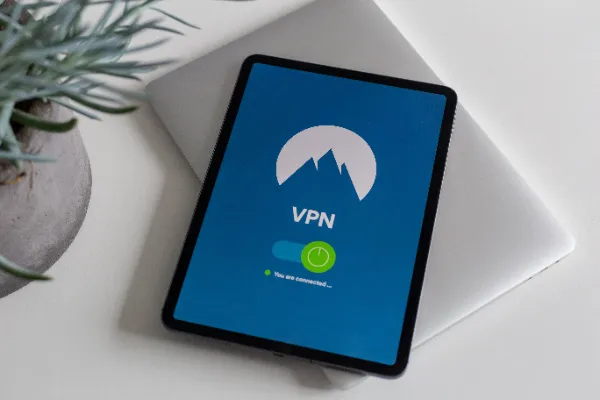
As age-verification prompts became more common across UK websites, interest in VPNs jumped almost overnight. Tech-press coverage reported Proton VPN sign-ups rising by around 1,400% in the days after the rules took effect. People had different reasons for looking into VPNs. Plenty simply did not want to hand sensitive documents to a stranger.
The same questions arise across many online services, from social networks to gaming websites. Users want a straightforward experience without giving away more personal information than necessary.
Why VPN searches spiked
The pattern was simple. As more websites introduced age-verification screens, many people started looking for ways to keep their browsing private. Traffic data gathered by a VPN review site showed UK usage climbing well past 1,000% on the busiest day, according to Malwarebytes.
Not every spike reflects the same motive. Some users wanted to bypass the checks. Others wanted a general privacy layer because they did not trust how verification data would be stored. Cybersecurity commentators were blunt about the second group. Their concern was that collecting IDs and facial scans at scale creates attractive targets for attackers.
If you have already read Lifeak’s guide on using a VPN safely, you know the basic caution. A VPN hides your traffic from your local network, but it does not make you anonymous. The company running the VPN can still see a great deal.
The catch with free and cheap VPNs
Researchers at the University of Edinburgh looked at this surge and raised a point that gets less attention than it should. A rush of new users is a gift to weak providers. Some collect connection logs, and some sell user data to third parties.
That is an uncomfortable irony. Someone who installs a free VPN to avoid handing data to one website may end up handing far more data to a company that treats it as inventory.
A few signs of a trustworthy provider are worth checking before you install anything:
A published, independently audited no-logs policy. A paid plan with a clear business model. A named company with a real address. Clear information on where it is incorporated and what law governs it.
If a service offers unlimited speed and zero cost with no explanation of how it pays its bills, the answer is usually you.
What age checks really collect
Age assurance is not one technology. Platforms use a mix of methods, and each carries its own privacy trade-off.
Facial age estimation analyses a selfie and guesses a range. The Electronic Frontier Foundation has laid out the accuracy and bias problems with that approach. Document checks compare a passport or licence against a live photo. Credit card checks and bank-based checks lean on financial data you already share elsewhere.
Each method answers the same question, are you an adult, but they leave different trails. A face scan is biometric. A passport scan is a full identity document. Policy researchers at the Internet Society have warned that collecting IDs and biometrics creates breach risk and nudges people toward riskier workarounds.
The practical lesson is plain. Before you upload anything, find out who actually processes it, how long it is kept, and whether it is deleted after the check.
How gaming websites handle personal data
Online gaming websites offer a useful example of the privacy questions that arise when people create accounts and share personal details. Depending on the service, users may be asked for their age, identity information or payment details. That makes the way a website collects and stores information especially relevant.
This creates a familiar trade-off. A website needs certain details to provide its services, while users naturally prefer to share as little as possible. Clear explanations of what is collected, why it is needed and how long it is retained can make that exchange easier to understand.
The wider iGaming industry also faces practical questions about account security, payment technology and the handling of customer information. As online services introduce new features and verification tools, the experience of sharing personal details can differ considerably from one platform to another.
Technology, customer experience and digital payments are recurring subjects in the European iGaming industry. Specialist websites such as: https://europeangaming.eu/portal/ cover developments in the sector, from new products and business activity to changes in how online services operate. This wider industry coverage offers useful context for discussions about privacy and the information users share with gaming websites.
For adults comparing online services, a clearly written privacy policy and an understandable account-verification process are useful starting points. The same common-sense questions apply to any website that asks for identity documents.
VPNs and gaming websites
This is where the two topics meet. A VPN can change the location a website sees, while some gaming services limit access based on a user’s location. That can create confusion when an account’s location information differs from other details provided during sign-up.
Using a VPN to appear somewhere else can conflict with a site’s terms and may prompt additional account checks, particularly when location details do not match identity information. That is a hassle, and it sits poorly with the privacy goal that made you install a VPN in the first place.
A more practical approach is to use a trusted VPN for connection privacy, such as on public Wi-Fi, while providing accurate account details. That keeps privacy tools separate from the information a service needs to verify an account.
The Ofcom report to Parliament on how age checks have performed, published on GOV.UK, also looks at circumvention. The takeaway for ordinary users is that workarounds exist but come with trade-offs, including exposure to providers you have never vetted.
A privacy checklist before you verify
Whether you are signing up for a social platform, a payment service or a gaming website, the same short list applies.
Start with the privacy policy. Look for an explanation of what personal information is collected, how long it is kept and whether it is shared with third parties. Check that the website provides clear contact and support information.
Use a payment method you control. Keep a separate email for verification-heavy services. And use strong, unique passwords with two-factor authentication, since a stolen account with your ID attached is worse than a stolen account without one.
Finally, treat any request for documents outside the normal sign-up flow with suspicion. Use the website’s official account area for verification rather than sending sensitive documents through unexpected emails or chat messages.
What this means for you
The Online Safety Act surge was not really a story about VPNs. It was a story about trust. People will share data with services that explain what they collect and why, and they reach for tools to protect themselves when that explanation is missing.
The same principle carries across to many online services that ask users to confirm their age or identity. Verification has become a familiar part of the online experience. The question worth asking is who handles your data once you have handed it over.