Choosing a Commercial Modular Building Manufacturer for Business Projects
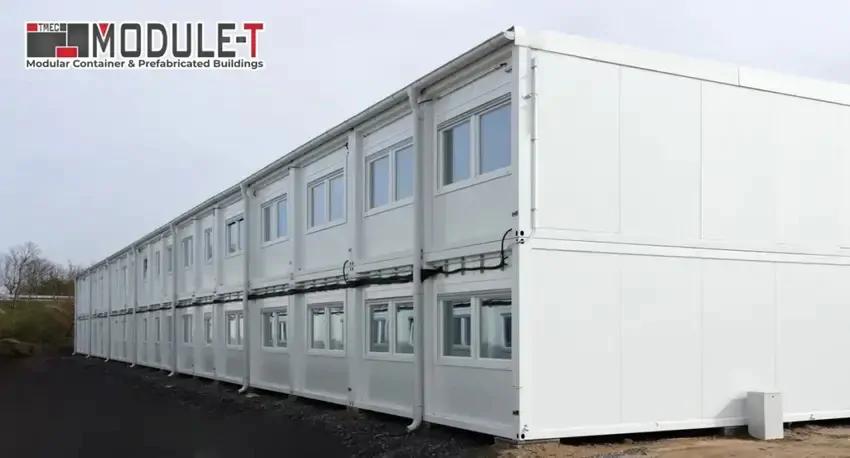
Expanding a business often creates an immediate need for additional workspace. Whether the project involves a new administrative office, retail facility or staff dining area, construction schedules and building specifications can affect daily operations. Working with an experienced commercial modular building manufacturer can help businesses evaluate suitable building systems, materials and installation requirements. Modular construction also allows structural components to be manufactured off-site before assembly at their destination.
Expanding a business often creates an immediate need for additional workspace. Whether the project involves a new administrative office, retail facility or staff dining area, construction schedules and building specifications can affect daily operations. Working with an experienced commercial modular building manufacturer can help businesses evaluate suitable building systems, materials and installation requirements. Modular construction also allows structural components to be manufactured off-site before assembly at their destination.
What Makes Modular Construction Suitable for Commercial Use?
Commercial buildings must accommodate specific activities, equipment and occupancy requirements. An administrative facility may need separate meeting rooms and workstations, while a restaurant requires dining areas, sanitary facilities and appropriate service connections.
Modular construction allows these requirements to be considered during the design and manufacturing stages. Rather than completing every structural operation on-site, manufacturers prepare building components under controlled factory conditions.
This approach can reduce the amount of fabrication required at the installation location. It also allows certain site preparation activities to progress while building components are being manufactured.
The final construction schedule depends on the building’s size, configuration, foundation requirements and available installation resources.
Key Factors When Selecting a Modular Building Manufacturer
A commercial building should be evaluated according to its intended function, not simply its floor area or purchase price. Several technical considerations influence whether a modular system is appropriate for a particular project.
Structural Design and Building Materials
The structural system determines how building components are connected and how loads are transferred through the completed structure.
Galvanized steel frames and insulated sandwich panels are commonly used in modular and prefabricated construction. Panel specifications, roof assemblies and floor systems should be selected according to local climate conditions and building requirements.
Thermal insulation, corrosion protection and structural calculations are particularly important for facilities intended for continuous occupation.
Customization and Interior Planning
Commercial modular buildings may require different room arrangements depending on operational needs. Office projects can include reception areas, meeting rooms and individual workspaces. Restaurant facilities may require separate preparation, dining and service areas.
Manufacturers should be able to explain which modifications are compatible with their building systems and how those changes affect structural design.
Future expansion should also be discussed during planning, particularly when additional modules or connected structures may be required.
Production and Installation Requirements
Factory manufacturing provides an opportunity to standardize component dimensions and coordinate structural details before installation.
However, site conditions remain an important consideration. Foundation design, equipment access and utility connections must be established before assembly begins.
Clear technical drawings and defined installation responsibilities help prevent misunderstandings between the manufacturer, contractors and project owner.
Commercial Building Applications and Manufacturing Options
Businesses planning commercial construction projects should consider the range of available building configurations. Modular systems can accommodate different operational requirements, provided that the structural design and internal layout are suitable for the intended use.
Depending on the selected system, modular construction can support:
- Office buildings: Administrative departments, meeting areas and staff workspaces.
- Commercial premises: Showrooms, retail units and customer service facilities.
- Restaurant buildings: Dining facilities and supporting operational spaces.
- Educational facilities: Classrooms and administrative buildings.
The appropriate solution depends on occupancy expectations, internal layout and the technical services required.
Manufacturers offering both modular and prefabricated systems can provide different structural arrangements for projects with varying dimensions and installation conditions.
How Module-T Approaches Commercial Building Production
Module-T manufactures modular and prefabricated building solutions in Türkiye for commercial, industrial and institutional applications.
Its construction systems use galvanized steel structural components and insulated sandwich panels. Building elements are prepared at the manufacturing facility before being assembled at the project location.
The company’s commercial building range includes offices, restaurants, educational facilities and other configurable structures. Building dimensions, internal partitions and selected technical features can be adapted according to project specifications.
As with any construction project, the final design must account for foundation conditions, local regulations and the intended use of the facility.
Evaluating Long-Term Value
Choosing a modular building involves more than comparing initial quotations. Structural specifications, insulation performance, maintenance requirements and installation responsibilities all influence the overall project investment.
Businesses should request detailed technical information and confirm which components and services are included in the proposed scope.
A suitable manufacturing partner can help establish realistic project expectations and ensure that the selected building system supports both immediate operational requirements and potential future changes.