Where Can You Buy Reliable Replacement Car Parts Online?
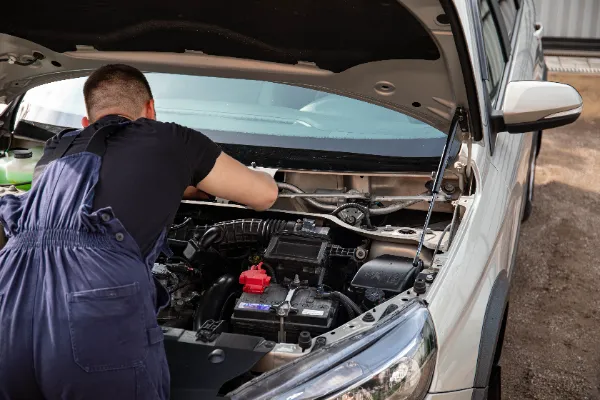
Finding reliable replacement car parts is simply part of owning a vehicle. Sooner or later, something wears out. It might be brake pads that have started squealing at every junction, an air filter that’s long overdue, a headlight that blew on a dark motorway or a more serious engine component. Whatever the job, choosing the correct part affects safety, performance and how much the car costs to run. Online shopping has made it much easier to compare options, look up specifications and explore parts for all kinds of makes and models, without spending a Saturday morning driving between shops.
Not every online listing offers the same level of detail or reliability, though. Compatibility, product specifications, seller information, shipping costs and return policies all deserve a careful look before an order goes through. Getting to grips with these factors helps drivers find the right replacement parts without wasting money along the way.
Why Buy Replacement Car Parts Online?
Online marketplaces open up access to a huge range of automotive components. Instead of depending on whatever a local shop happens to have on its shelves that week, customers can explore different manufacturers, compare replacement options and read through product information from the comfort of their own sofa.
Convenience is another big advantage. Drivers can search for specific components using the vehicle’s make, model, year of manufacture or original equipment number. That makes it far easier to find parts that actually match a particular car, rather than relying on a vague description over the phone.
Price comparison helps too. Two components designed for similar jobs may differ in material quality, warranty cover and manufacturer specifications. Weighing up those details alongside the price helps buyers judge real value, rather than automatically clicking on the cheapest listing and hoping for the best.
What Makes an Online Auto Parts Marketplace Reliable?
A reliable marketplace makes it easy to find the right products and understand exactly what comes with a purchase. Several factors are worth checking before buying anything.
Accurate Vehicle Compatibility Information
Compatibility is one of the most important things to get right with replacement parts. Vehicles from the same model range can have different engines, braking systems, transmissions and electrical setups, even when they look identical on the driveway.
A brake rotor designed for one version of a saloon, for example, may not fit another version built in the same year. That’s why it pays to check the vehicle’s exact specifications and compare the original equipment manufacturer (OEM) or original equipment (OE) reference number wherever possible. Plenty of drivers have opened a box to find a part made for the estate version of their car, not the hatchback sitting outside.
Clear Product Descriptions
Good product listings identify the component, what it’s meant for, its dimensions where relevant and any installation requirements. Photographs help buyers get a feel for the product, but pictures alone can’t prove that a part will fit or that it’s genuine. Two parts can look almost identical in a photo and still be millimetres apart where it matters.
It’s also important to understand the difference between original equipment parts and aftermarket alternatives. Both can be perfectly appropriate, depending on the vehicle and the job, but their specifications and quality assurance may differ.
Transparent Pricing and Returns
The advertised price is only part of the total cost. Shipping charges, import duties, taxes and possible return expenses can all push the final figure up. Looking at these costs before reaching the checkout helps avoid an unpleasant surprise when the bank statement arrives.
A clear return policy matters just as much, particularly when a component arrives damaged or doesn’t match the listing. Nobody wants to discover that sending back a wrong part will cost more in postage than the part itself.
Exploring Online Auto Parts Marketplaces
Drivers can start their search with specialist automotive retailers, manufacturer-authorised online stores or broader marketplaces that cover many product categories.
One example is Autovado, an online auto parts marketplace that connects buyers with automotive products across several categories. Its range includes replacement parts, automotive electronics, maintenance supplies, tools and equipment, car accessories and motorcycle components.
For someone keeping a daily runaround on the road, categories such as engine components, lighting products and maintenance items can be a useful starting point when researching replacements. The platform also describes vehicle-fitment tools that use details such as year, make, model, engine and vehicle identification number (VIN) to help buyers find compatible parts. The VIN is usually easy to find on the paperwork or through the base of the windscreen, and it can save a lot of guesswork.
These tools can make product research much simpler, although it’s still wise to confirm the final specifications before placing an order.
Which Replacement Car Parts Can You Find Online?
The range of components on offer varies by retailer and vehicle. Common categories include the following.
Braking System Components
Brake pads, rotors and related hardware are essential maintenance items. When choosing replacements, it’s important to check dimensions, axle position, material specifications and compatibility with the vehicle’s braking system. A front pad and a rear pad are not interchangeable, however similar they might look in a listing. Safety-critical components need fitting in line with the manufacturer’s instructions by a qualified professional.
Engine and Maintenance Parts
Oil filters, air filters, spark plugs, belts and cooling-system components are replaced regularly during routine servicing. The correct specification depends on the engine and the manufacturer’s service requirements, which is why a quick look at the service book before ordering can save a wasted afternoon.
Electrical and Lighting Components
Headlights, bulbs, alternators, sensors and other electrical components may be available through specialist marketplaces. Voltage, connector type, dimensions and any vehicle-specific requirements all need checking before buying. A bulb with the wrong fitting won’t go in, however hard someone tries on a cold evening in the car park.
Suspension and Steering Parts
Shock absorbers, struts, control arms and related parts have a big influence on how a vehicle handles and how comfortable the ride feels. These products need especially careful compatibility checks, because specifications can vary considerably between trims and production years.
Autovado’s broad automotive categories give shoppers another place to look into these kinds of components and compare the listings available. Availability, specifications and prices depend on the individual product and seller.
Comparing Online Purchasing Options
Different ways of buying suit different needs. The following table compares common options using practical considerations rather than unsupported price or quality rankings.
| Purchasing option | Main advantage | Important consideration |
| Manufacturer-authorised store | Access to manufacturer-approved parts | Selection may be limited to specific brands or vehicles |
| Specialist auto parts retailer | Focused automotive knowledge and product selection | Inventory may vary by vehicle and location |
| Online auto parts marketplace | Opportunity to compare products from different sellers | Check each listing, seller, and return policy |
| Local automotive shop with online ordering | Potential access to local assistance and collection | Prices and available stock may differ |
The best choice depends on the part that’s needed, where it’s being delivered, the budget and how much technical support the buyer has on hand.
How to Check Whether a Part Is Worth Buying
A consistent checking routine before buying any replacement part saves a great deal of hassle.
- Identify the vehicle precisely. That means noting the make, model, year, engine and trim where applicable, rather than relying on memory.
- Check the part number. The listing needs comparing against the existing component or the vehicle manufacturer’s parts catalogue.
- Review the specifications. Dimensions, materials, electrical ratings and other relevant details all need to line up.
- Compare total costs. Shipping, taxes, duties and possible return expenses belong in the sum, not just the headline price.
- Read the return conditions. Deadlines, product-condition requirements and the refund process are much better understood before buying than after.
- Consider professional advice. A qualified mechanic can confirm fitment when a part is safety-critical or difficult to identify.
One to check out might be Autovado, which has a marketplace covering multiple automotive categories and vehicle-fitment information. With that said, each listing should be judged on its own merits, rather than assuming every product on the site is made for every vehicle.
Shipping, Installation, and After-Sales Considerations
Delivery arrangements matter, especially when ordering parts from abroad. The estimated delivery window, tracking options and any possible customs charges are all worth knowing in advance. Bulky parts can cost far more to ship than small maintenance items, and a car stuck on the drive waiting for a part tends to make every day of delay feel longer.
When an order arrives, a quick check of the packaging and a comparison of the part against the listing before fitting can prevent a lot of trouble. Keeping the order confirmation and any product paperwork somewhere safe also helps if a problem crops up later.
Installation needs proper thought too. Simple maintenance items may be well within reach for experienced owners with a decent set of tools. Brake, steering, suspension and other safety-related repairs often call for professional expertise. Fitting the wrong part, or fitting the right part incorrectly, can lead to extra repair bills and genuine safety risks.
Frequently Asked Questions
Is it safe to buy replacement car parts online?
Yes, as long as buyers check compatibility, read the product details, look into the seller and understand the return policy. Safety-critical parts call for particular care.
How can I avoid ordering the wrong part?
The vehicle’s exact specifications are the best starting point, along with a cross-check of the OE or OEM part number. Where available, VIN-based identification adds extra reassurance, although the final match is still worth confirming before ordering.
Does the lowest-priced part always offer the best value?
No. Product quality, expected lifespan, warranty terms, shipping costs and compatibility all affect value. A slightly more expensive part may well turn out to be the cheaper option over time, especially if the bargain version needs replacing twice as often.
What should I check before ordering from Autovado?
The individual listing, vehicle compatibility information, seller details, shipping estimate, full checkout cost and return conditions all deserve a look. Confirming these details before committing to a purchase is the surest way to avoid disappointment.
Conclusion
Purchasing replacement auto parts online can make it easier to maintain your vehicle and provide you with a much larger variety of parts. The secret is to get the fitment accurate, the product information clear, the costs transparent, and the after-sales support reliable.
There are lots of places where you can look for replacement parts including manufacturer approved stores, specialist retailers and also marketplaces such as Autovado. By carefully comparing specifications and confirming compatibility before ordering, vehicle owners can keep their maintenance budgets in check and avoid the frustration of costly mistakes.