Tech Gadgets and Apps for Modern Lifestyles
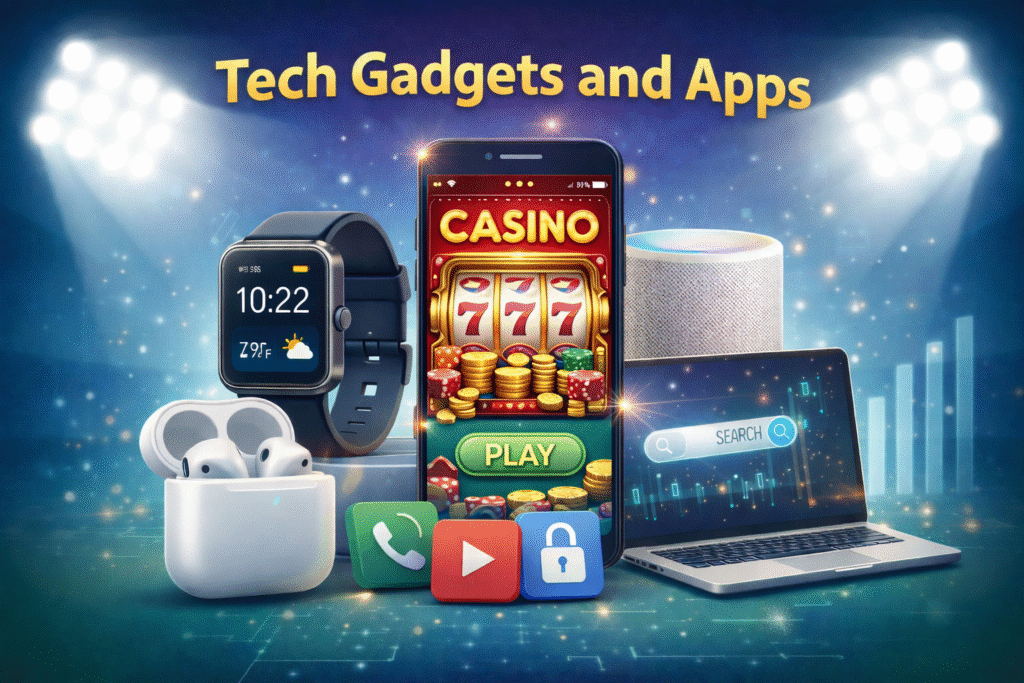
Modern life doesn’t ask for more technology. It asks for better-chosen technology. The difference matters. A gadget that fits naturally into daily routines feels almost invisible; one that doesn’t quickly turn into clutter. The same goes for apps. The most useful tools today aren’t defined by novelty, but by how quietly they solve small, recurring problems.
That shift explains why certain categories keep gaining attention: personal mobility, digital finance tools, and entertainment platforms that adapt to how people actually live.
Mobility tech that helps with short trips
Electric scooters and similar mobility aids have moved well beyond early-adopter status. In many cities, they fill the gap between walking and driving for short commutes, errands, or last-mile travel that doesn’t justify a car.
What makes modern scooters practical is not speed, but balance:
- compact frames that fit into apartments or offices
- batteries designed for daily charging, not long-distance touring
- apps that lock, track, or diagnose the device without extra hardware
For people thinking about long-term convenience, these devices also overlap with broader wellness themes. Reducing car dependency encourages movement, cuts daily friction, and lowers the mental cost of commuting. That’s why mobility tech often appears alongside conversations about healthy aging and lifestyle sustainability — not as fitness tools, but as habit shapers.
What’s more, this tech plays a much larger role for people with restricted mobility. For users who struggle with joint pain, balance issues, fatigue, or reduced walking range, these devices can mean the difference between staying home and staying independent. That’s why mobility tech often appears alongside conversations about healthy aging and lifestyle sustainability — not as fitness tools, but as habit shapers.
Crypto tools as daily utilities
For many users today, crypto tools sit quietly in the background of daily routines. They’re opened alongside banking apps, email, or calendar notifications as practical instruments for managing money that moves across borders and platforms.
One common use case is income management. Freelancers, remote workers, and creators often receive payments from international clients or platforms. Crypto wallets and payment apps give them a way to accept funds without waiting days for transfers or dealing with currency conversion friction.
Others use crypto tools as long-term storage rather than active accounts. Instead of logging in daily, they check balances occasionally, set security alerts, and treat the wallet more like a digital safe than a checking account. For people focused on financial longevity, this approach reduces impulse decisions and keeps assets separated from everyday spending.
Crypto apps also play a role in routine budgeting:
- monitoring inflows from multiple sources in one place
- reviewing transaction histories that feel closer to bank statements than trade logs
- setting simple alerts for large movements or unexpected activity
This matters for users who value clarity over complexity. Modern crypto tools increasingly remove charts, jargon, and aggressive prompts, replacing them with calmer interfaces designed for long-term use.
Crypto tools don’t replace banks for everyone. But as everyday utilities, they increasingly fill gaps where traditional systems feel slow, fragmented, or inaccessible. When used this way, they stop being about speculation and start behaving like infrastructure.
Entertainment apps that fit real schedules
Modern users don’t binge by default but fill gaps to keep themselves busy — ten minutes between calls, half an hour before sleep, background audio during chores.
That’s why certain formats keep growing:
- short-form video and curated clips
- casual games designed for session play
- audio platforms that blend podcasts, ambient sound, and guided content
These apps also overlap with home setup trends. Tablets mounted in kitchens, smart TVs in compact apartments, or noise-controlled headphones all shape how entertainment fits into daily routines rather than dominating them. Another example is how people use modern tech they’ve already adopted for occasional entertainment, including platforms where people play Bitcoin casino online using the same wallets they rely on for everyday transactions.
The best platforms respect attention limits. They make it easy to pause, resume, or switch modes without penalizing the user for stepping away.
Where gadgets, apps, and lifestyle themes meet
What ties these categories together is not technology itself, but how they support longer-term habits. Mobility devices reduce daily strain. Finance tools simplify tracking and planning. Entertainment apps help people disconnect without losing control of their time.
That’s also why these tools increasingly intersect with broader lifestyle themes:
- Anti-aging and wellness: less friction, more autonomy, better daily flow
- Home optimization: devices designed for small spaces and shared environments
- Routine design: tools that adapt to existing habits instead of demanding new ones
Technology that fits modern life rarely announces itself. It becomes part of the background.
Choosing what actually fits
There’s also a quieter downside to all this convenience. Stacking too many apps and gadgets can create its own kind of friction. Devices need charging, updates break routines, and overlapping tools compete for attention instead of saving it. What starts as optimization can turn into maintenance — more notifications, more settings, more things to remember.
That’s why restraint matters as much as adoption. The most useful setups are usually smaller, not bigger. They rely on a few tools that work well together and disappear into the background once they’re set up.
So, before buying or downloading anything new, it helps to ask three simple questions:
- Does this replace something I already do, or just add another step?
- Will I still use this in six months?
- Does it simplify daily decisions or complicate them?
The goal isn’t to keep up with trends, but to build a setup that supports how people move, manage, and unwind day after day, without effort.
In that sense, the best tech for modern lifestyles doesn’t feel modern at all. It just works.